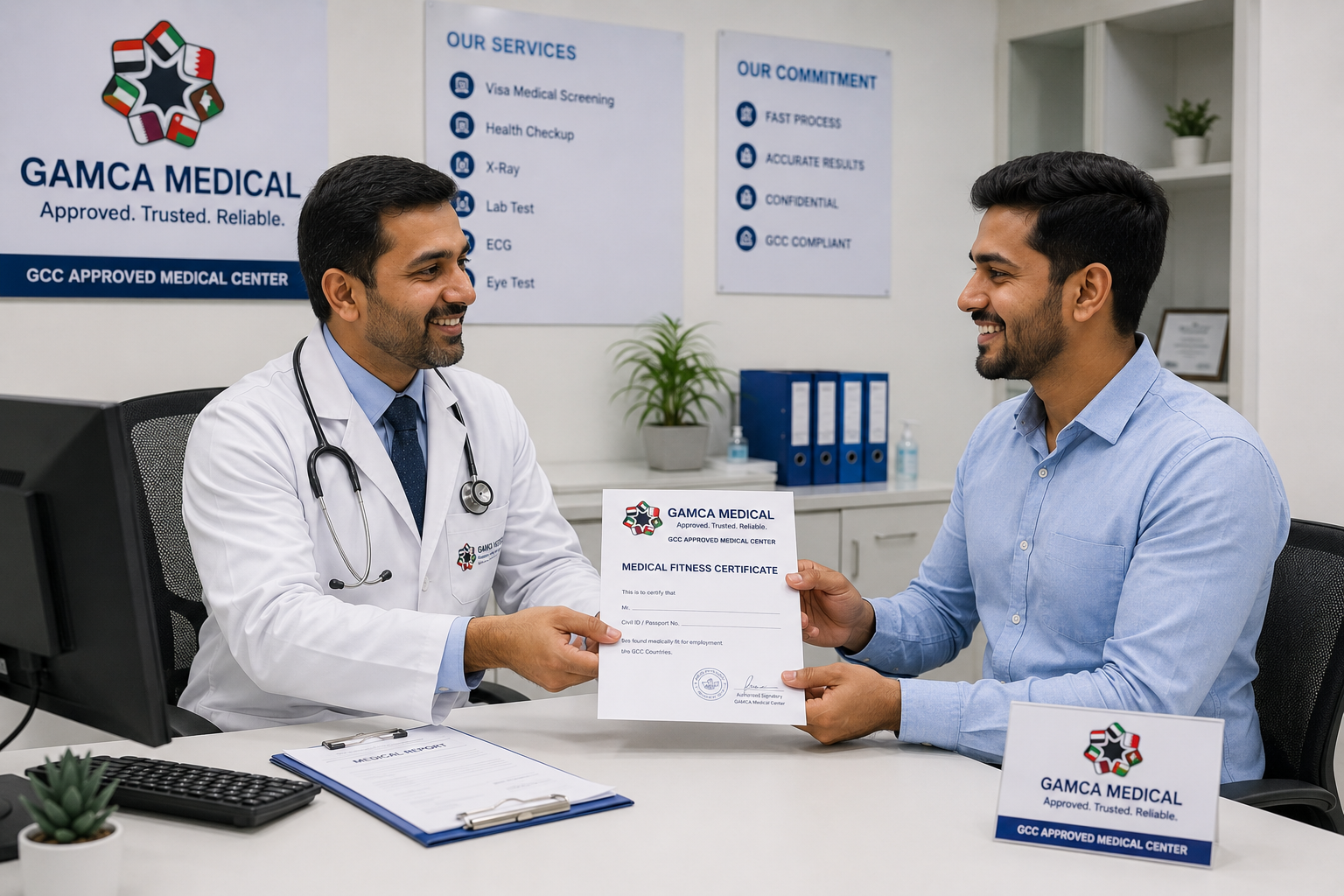
Where This Fits Into Your Visa Application
Applying for a Gulf work visa involves a lot of moving parts — offer letters, attestations, embassy stamps — and it’s easy to lose track of where health screening fits in. This particular clearance step is essentially the health side of that pipeline. Without a passing result from an approved center, your visa application simply doesn’t move forward, regardless of how strong your job offer is or how quickly your employer wants you to start.
Think of it less as a separate hurdle and more as one required stop along a route you’re already traveling. Once it’s done and your certificate is in the system, the rest of your visa processing can continue without that particular bottleneck slowing things down.
Who This Applies To
Applicants from countries covered under this screening requirement, mostly across South Asia, parts of Southeast Asia, and several African nations, must complete it before a work visa for GCC countries can be finalized. If your recruitment consultant has told you a medical certificate is mandatory, this is very likely the Visa Medical of Gamca process they mean, even if they refer to it by a slightly different name in conversation.
What the Screening Actually Covers
The panel is fairly standardized: a chest X-ray, a set of blood tests including HIV and Hepatitis screening, a general physical exam, and vision and hearing checks. Depending on the destination country and the nature of the job, additional tests may be added, so it’s worth asking your specific clinic what applies to your case rather than assuming every country’s requirements are identical from one to the next.
Bring a checklist of your own documents to the appointment rather than relying on the clinic to prompt you for each one. Passport, photographs, offer letter, and any prior medical records relevant to a known condition should all be within reach before you’re called in, since going back and forth to a bag or a car wastes time that could easily be avoided with a bit of preparation the night before.
Timing It With Your Other Paperwork
One practical tip that saves people a lot of stress: don’t start your medical screening in isolation from everything else. Coordinate the timing with your employment contract and visa stamping schedule, since fitness certificates are often only valid for a limited window, sometimes as short as three months. Completing your test too early can mean it expires before your visa is actually processed and stamped.
On the flip side, waiting until everything else is finalized before starting can create an unnecessary bottleneck at the very end. A reasonable middle ground is to begin the screening once your job offer and documentation are close to finalized, but before final visa submission to the embassy or consulate. Many recruitment agencies now build this timing guidance directly into their applicant checklists, precisely because expired certificates are one of the most common, and most avoidable, causes of last-minute visa delays.
What Happens If Something Is Flagged
If a condition is identified during screening, you’re usually given the option of further testing or treatment, followed by a re-examination. This adds time, so it’s another reason not to leave your appointment for the last possible week before travel. Being upfront about any known health conditions before you even walk into the clinic can help you and the doctor plan around it far more efficiently.
Costs and Payment Expectations
Fees are usually fixed and published by the clinic rather than negotiable, though they can vary depending on the specific test panel your destination country requires. Ask for a written receipt at the time of payment, both for your own records and in case your employer offers reimbursement as part of your relocation terms.
How This Affects Your Notice Period at Work
One detail that catches people off guard is how this step interacts with resigning from a current job. Many applicants wait until every other document is ready before starting their notice period, only to find their fitness certificate has expired by the time visa stamping actually happens. A more reliable approach is to treat your certificate’s validity window as a hard deadline and plan your resignation date around it, rather than the other way around.
If you’re currently employed and can’t easily take a day off for the appointment, ask your clinic about early morning or weekend slots. Many centers that handle high volumes of Gulf-bound applicants offer extended hours specifically because they know most candidates are juggling a current job alongside this process. It’s a small thing to ask about, but it can save you from having to explain an unplanned absence to a current employer who doesn’t yet know you’re job hunting.
Frequently Asked Questions
Does the certificate work for more than one country? No — it’s typically tied to the specific destination country you applied for, so a new certificate is needed if that changes.
Can my employer request a copy directly? In most cases, yes, since the certificate often needs to be shared with both the visa authority and the sponsoring employer.
What if my documents don’t match my passport exactly? Even small spelling differences can cause delays, so double-check every detail before your appointment.
Bringing It All Together
The Visa Medical of Gamca isn’t meant to be a source of anxiety, it’s simply a standardized way of confirming you’re fit to work abroad. Approach it the same way you would any other required document: gather what you need, book early, and follow up promptly if anything requires a second look. Handled that way, it becomes one of the more straightforward parts of an otherwise long visa process.
Most applicants who plan ahead complete the Visa Medical of Gamca requirement without any drama at all, and look back on it as a minor scheduling task rather than a genuine obstacle on their path to working abroad.